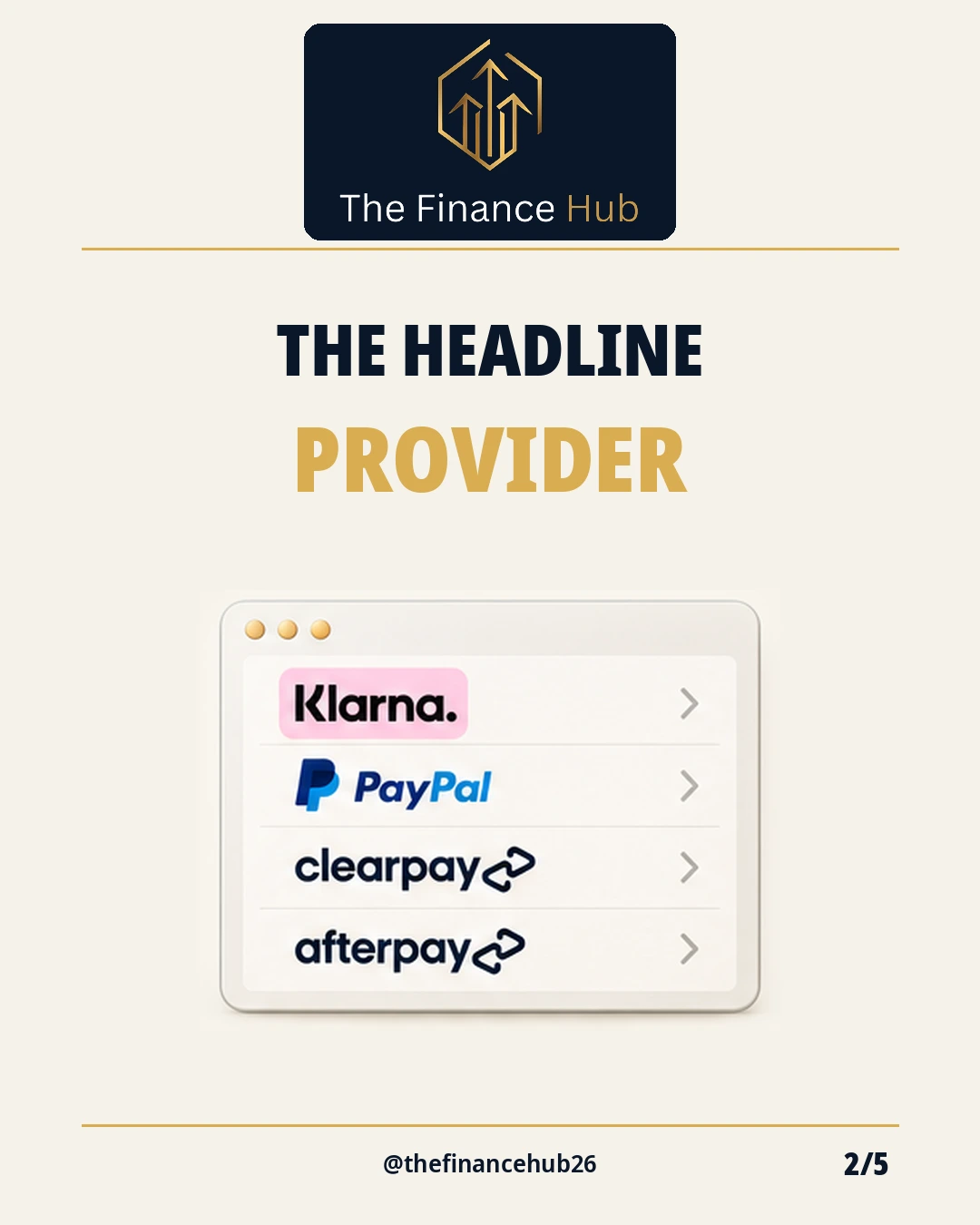
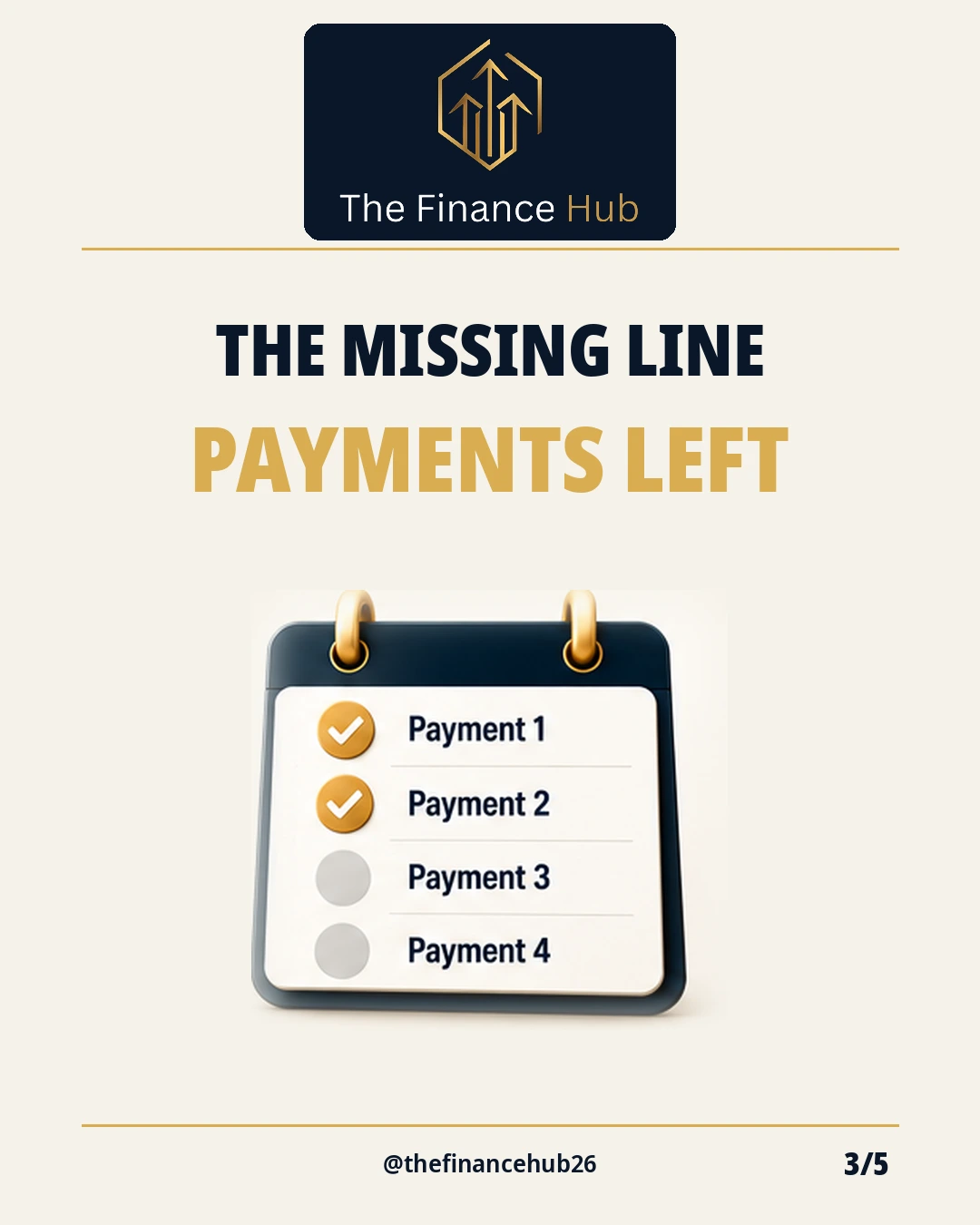
Several checkout screens can hide one combined commitment. This original Finance Hub carousel brings the provider, payments left and next due date into the same calculation.


Use one row per purchase
List the provider, purchase description, original purchase total, instalment amount, payments remaining and next due date. Keep separate purchases separate, even when the provider is the same.
Calculate two different totals
Add payments actually due in the next 30 days, then calculate the full remaining balance. Original purchase totals are not the same as remaining debt after some payments have already been made. Use the actual schedule if instalments are unequal.
Check the dates against income
Compare due dates with payday and essential bills. Keep unconfirmed refunds separate until the account shows a pause, adjustment or credit. The provider names in the artwork are examples, not recommendations or statements of available terms.